Land Stewardship
Pond and wetland restoration basics for private property
April 25, 2025 · 6 min read
Small ponds and vernal pools punch far above their weight ecologically. They concentrate amphibian breeding, invertebrate diversity, waterfowl use, and food-web productivity into a small footprint. Restoring or creating them on private property is one of the highest-yield stewardship investments.
Ephemeral is not less valuable
Vernal pools that dry every summer are, if anything, more valuable than permanent ponds because they cannot support fish. Fish-free water is what allows wood frogs, spotted salamanders, and fairy shrimp to complete their life cycles.
If you have a low spot that holds water in spring and dries by July, protect it. Do not 'fix' it by draining or lining it.
Restoring degraded ponds
Common failures: excess nutrient input from lawn runoff, invasive fish stocked historically, choking mats of algae or duckweed, and hardened edges with no shallow shelf. Restoring means fixing the input side (buffer strips, less fertilizer, less impervious surface) before dredging or replanting.
Creating a new pond
Ponds under a certain size — often 400 square feet, but rules vary by state — are usually exempt from federal wetland regulation. Check your state's specifics. Design with a shallow shelf around the perimeter, a variety of depths, and native plants at the edge. Avoid stocking fish if amphibians are the target.
Buffer
A 20 to 30 foot native-vegetation buffer around any pond dramatically improves water quality, reduces temperature spikes, and provides upland habitat for the amphibians that use the pond.
Measuring pond success
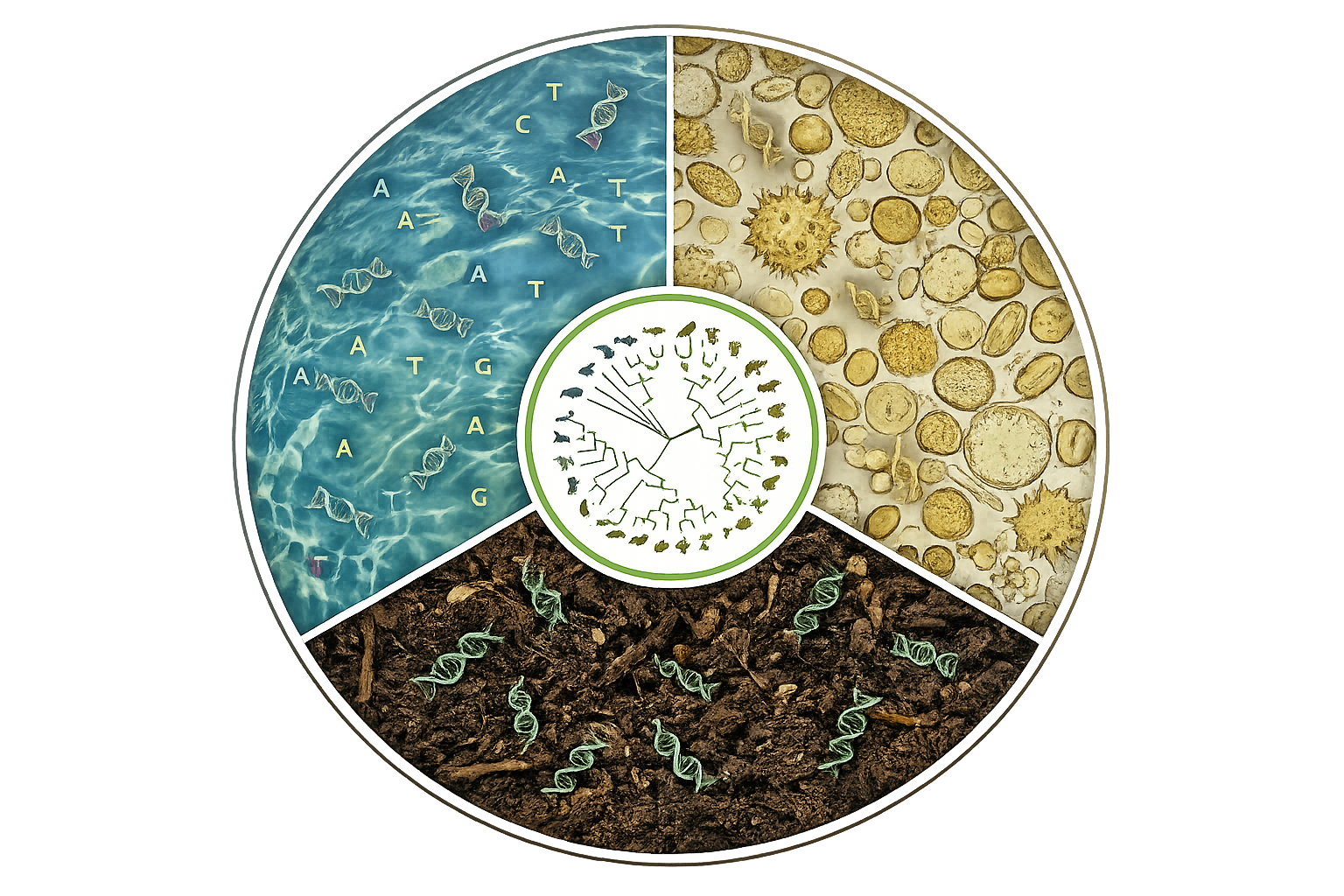
Water eDNA is essentially the ideal survey tool for ponds. A single liter captures fish, amphibians, aquatic invertebrates, and even visitors like herons and raccoons. Repeat sampling across seasons builds a full inventory.